Nathanael and the Journey of Faith and Transformation

Under the Fig Tree Nathanaels Transformation
Picture yourself sitting on a modest bench, surrounded by the noise of everyday life, the hustle and bustle of a city that never seems to pause. You see people rushing to fulfill the expectations placed upon them—jobs, relationships, social status. In this whirlwind, the world's values come into sharp focus, revealing an empire built on powerplays, materialism, and performance metrics that dictate one's worth. Success is measured in bank accounts, job titles, and social media followers. The more we gain, the more we seem to lose ourselves in the relentless pursuit of approval and recognition. Cultural norms elevate the self-made individual, while the notion of community and shared struggles fades into the background.
Yet, amid this clamor, dare to question: Does this relentless chase truly satisfy? Are we slaves to the invisible empire of competition, or is there another way? What if, instead of valuing accolades, we began to see the beauty in vulnerability and authenticity? What if the fig tree—representing peace and contemplation—was more than a mere symbol, but an invitation to a deeper truth? These questions prick at the heart of our modern existence, exposing the empire that binds us.
The Way of the World
In the relentless race for success, the world has its own harsh set of rules. Picture a corporate office where ambition reigns supreme, where individuals step over one another to claim the top position. The language is one of competition and individualism, with people valuing productivity over relationships. For instance, in a bustling coffee shop, you witness a group of friends, but instead of engaging, they're glued to their screens, each vying for attention in a digital landscape. This mirrors how society measures success—by promotions, possessions, and public approval.
In relationships, the narrative is similarly tainted. Romantic connections often hinge on superficial ideals, where beauty and status overshadow genuine love and compassion. It’s easy to fall into the trap of chasing after someone who fits a societal mold rather than seeking a partner who truly resonates with your soul. Marriages and friendships crumble under the weight of unrealistic expectations, leaving people feeling isolated and alone.
Power dynamics further complicate this scenario. The strong overshadow the weak, and those without privilege often find themselves marginalized. Social justice issues abound, as we see individuals fighting for basic rights while others sit comfortably within their empires of privilege. In a world that champions the elite, the suffering of the overlooked goes unnoticed, creating a landscape where empathy is scarce.
But the true cost of these societal norms is the loss of our authentic selves. Worrying about appearances and perceptions can lead to stress, anxiety, and disconnection from our true identities. As high school history teacher David Martinez, I see the impact of these worldly patterns in my students, many of whom struggle with this pressure daily. The drive for grades, popularity, and acceptance often overshadows their genuine aspirations and dreams.
The Divine Disruption
Everything changes when the kingdom of God enters the scene, turning worldly values on their head. Picture the Sermon on the Mount, where Jesus stands before a diverse crowd, his voice echoing against the mountains of Galilee. He flips the script, proclaiming blessings for the poor in spirit, the meek, and those who mourn (Matthew 5:3-4). These radical beatitudes challenge the status quo, inviting the marginalized and the overlooked to the forefront of God's kingdom.
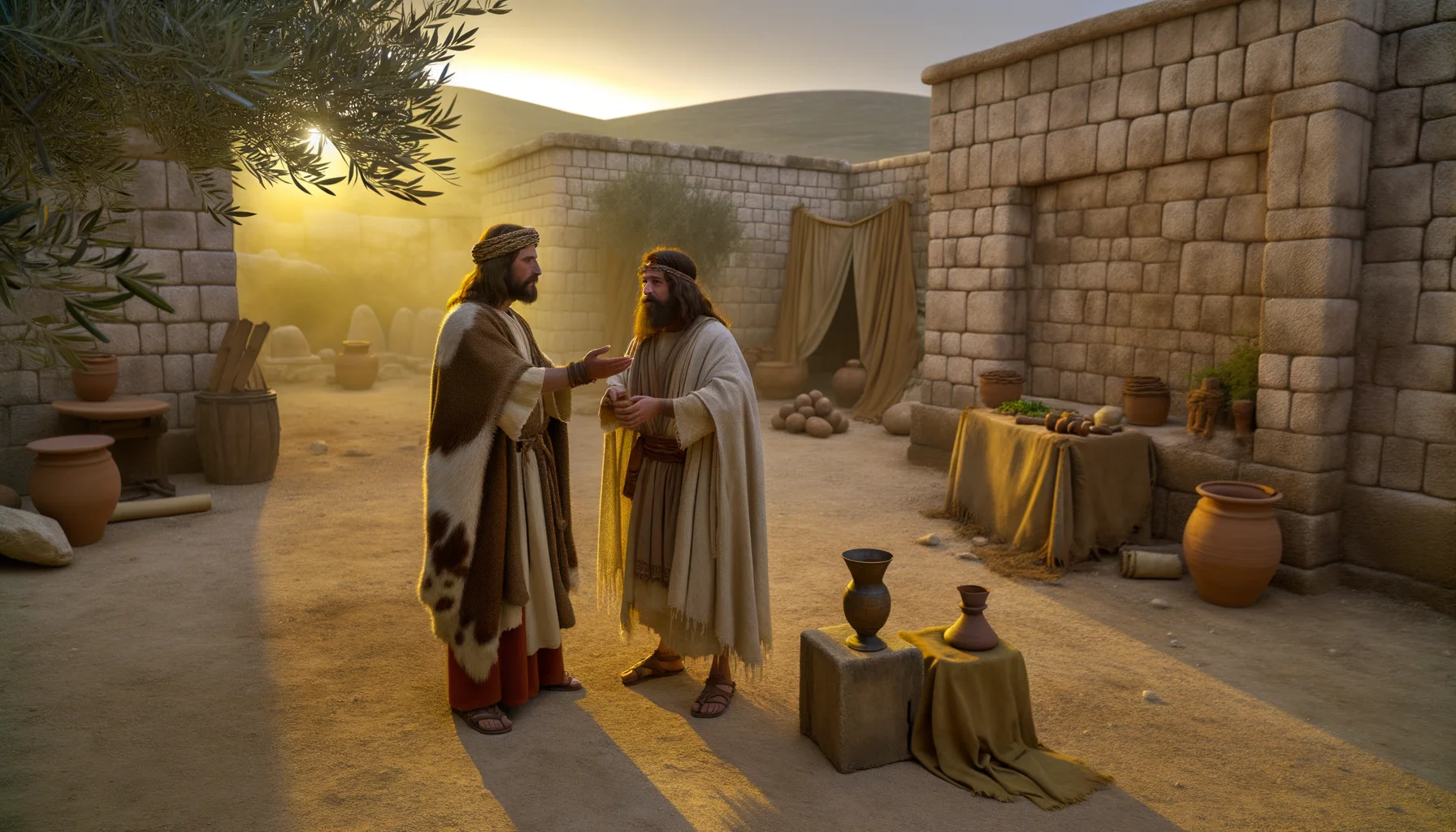
Take, for example, the moment Jesus engages with Nathanael under the fig tree (John 1:47-51). Nathanael, initially skeptical, represents many who wrestle with doubt and preconceived notions. Yet, in that sacred moment, as Jesus reveals insights about Nathanael's heart, we witness a divine disruption. Jesus sees him, not merely for his skepticism but as someone destined for greatness. This transformation reveals that God's kingdom embraces the doubters, the vulnerable, and those longing for authenticity.
Consider the actions of early apostles. Their radical approach to community disrupted societal norms. In Acts 2:44-47, we find believers sharing all things in common, a stark contrast to the individualism permeating our world today. They defied worldly patterns by prioritizing unity, love, and compassion over competition and self-interest. Their lives embodied the subversive nature of God's kingdom, a movement grounded in shared experiences rather than personal gain.
Through these narratives, we see a beautiful tapestry woven with threads of grace and redemption. The stones cry out, declaring that the kingdom of God is not built on the foundations of power but on love, service, and selflessness. This divine dis
Continue Your Bible Study
Explore more lessons and deepen your understanding of scripture
View All Lessons Ask AI a Question