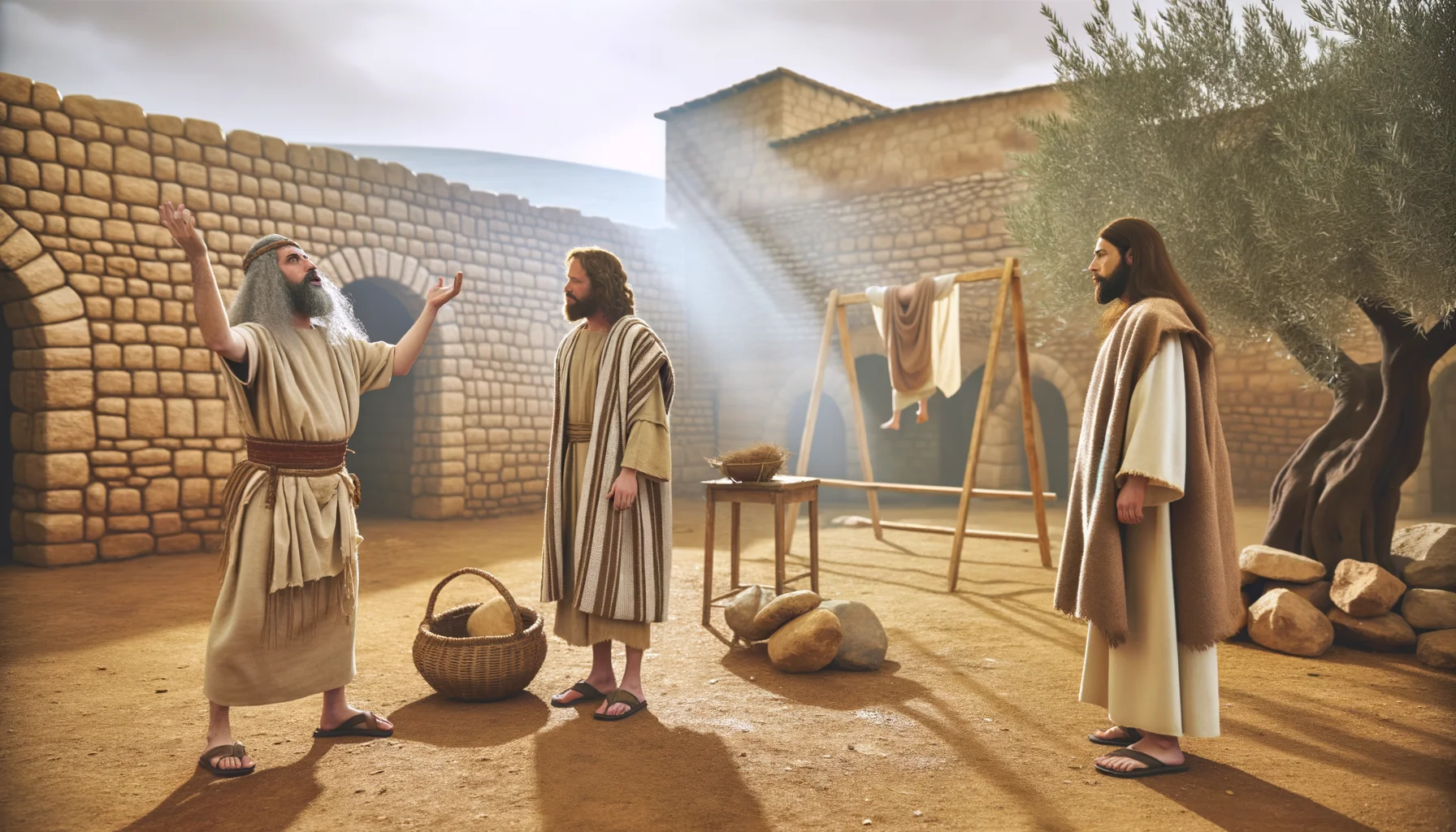
Shiphrah and Puah Inspiring Bold Faith in Challenging Times

Bold Faith of Shiphrah and Puah
In the grand narrative of Scripture, we often encounter figures whose stories compel us to wrestle with the complexity of faith in dire circumstances. Shiphrah and Puah, two Hebrew midwives, stand out amid a tumultuous backdrop—a society that demanded conformity and compliance at the cost of innocent lives. They were trapped at a crossroads, where moral dilemmas and the expectations of authority collided with their convictions and innate sense of justice. Their choice to defy Pharaoh's orders is both a testament to their courageous faith and a profound example for us today, especially when we find ourselves facing challenges that require us to take a stand. Can we hold on to our convictions when the stakes are high? How do we balance our roles in the workplace, relationships, and our faith? These questions ripple through our lives, beckoning us to seek wisdom and guidance from both ancient texts and contemporary experiences.
The Crossroads Moment
Picture a dimly lit hospital room, the hum of machines a constant reminder of the fragility of life. As an ER nurse, I stand at this crossroads moment, feeling the weight of decisions that can shape the trajectory of my patients' lives. Just recently, I was faced with a situation that mirrored the dilemma of Shiphrah and Puah. A young woman was brought in after a severe car accident, her family anxiously pacing the waiting room, their faces as pale as the sterile walls surrounding us. The doctors needed to act quickly, but the options available were fraught with risk. Watching the medical team debate the best course of action, I felt the tension of moral ambiguity rise within me. When do we push for the aggressive treatment even if the patient’s quality of life hangs in the balance? When do we give voice to the vulnerable, advocating for their dignity and autonomy?
Compounding this was the stress of my own burnout, the exhaustion that lingers like a shadow in my everyday life. I often find myself wondering whether to prioritize career aspirations or my mental health. How do I navigate relationships in a church culture that often pressures single individuals to conform to certain expectations? Just as Shiphrah and Puah faced a regime demanding compliance, I too grapple with societal pressures and the internal conflict of wanting to uphold my values while also seeking to please those around me. Each day feels like a repetition of choices, small and large, that ask for a bold faith—a faith that sometimes seems more daunting than the physical wounds I treat.
Voices from the Cloud
Another voice speaks: Proverbs offers a wealth of wisdom, reminding us, “The fear of the Lord is the beginning of knowledge; fools despise wisdom and instruction” (Proverbs 1:7, ESV). For Shiphrah and Puah, their reverence for God over a tyrant set the stage for their courageous actions. This principle of godly wisdom echoes through their decision-making process, challenging us to ask: Who do we revere in our crossroads moments?
Consider also the Book of James, which urges us to be “quick to hear, slow to speak, slow to anger” (James 1:19, ESV). In the heat of moral dilemmas, how often do we pause to listen, to seek God’s heart in our choices? Shiphrah and Puah listened to the cries of mothers and their newborns. They recognized the incongruence between Pharaoh’s edict and their moral compass, a true act of wisdom and bravery.
From a different angle: Jesus' teachings offer deep insight into the life-giving principles of love and justice. In Matthew 25:40, He states, “Truly, I say to you, as you did it to one of the least of these my brothers, you did it to me” (ESV). This perspective invites us to evaluate our actions and decisions through the lens of compassion. Shiphrah and Puah embodied this very ethos—they saw the least among them, choosing to protect those who were most vulnerable, and in doing so, protected the very heartbeat of their community.
Lastly, Paul’s counsel in Romans 12:2 encourages us not to be conformed to this world but to be transformed by the renewal of our minds. This transformation takes root when we align our choices with God’s purposes, even when they challenge the status quo. Each perspective paints a broader picture of what it means to act with bold faith, reminding us that wisdom is multifaceted and dynamic.
Wisdom Across Cultures
In the tapestry of church history, Shiphrah and Puah resonate with many figures who have exemplified bold faith amid oppressive regimes. Consider the early church fathers, who faced persecution for their beliefs. Men like Polycarp stood firm in their convictions, often at the cost of their lives. Their stories remind us of the historical struggle against tyranny, illuminating how faith is not just a personal endeavor but a collective resistance against injustice.
Across the globe, the legacy of bold faith continues to i
Continue Your Bible Study
Explore more lessons and deepen your understanding of scripture
View All Lessons Ask AI a Question