The Temptation Journey in Eden and the Desert

The Temptation Narrative From Eden to the Desert
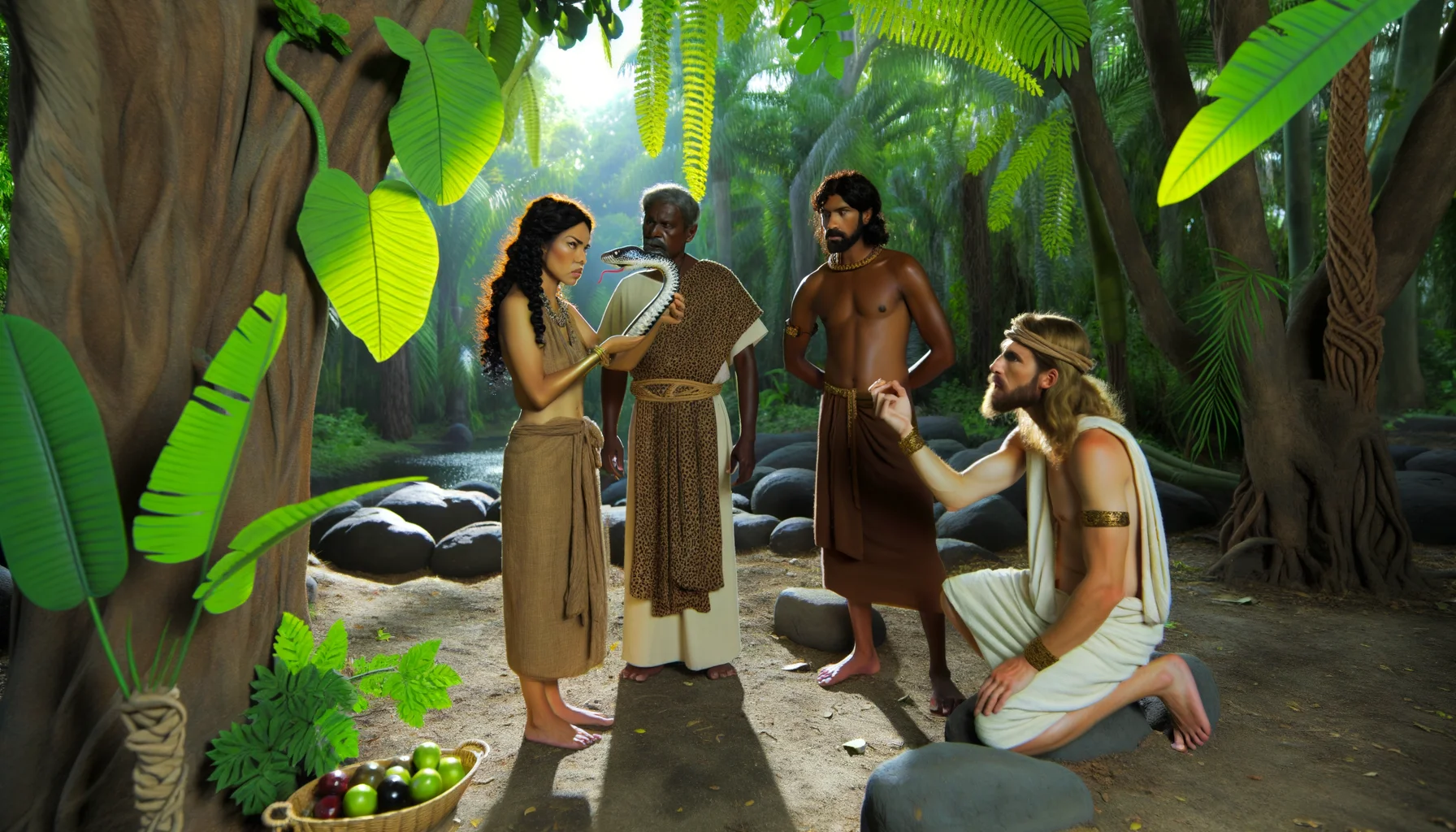
From head to hands: The doctrine of sin and temptation frames the overarching narrative of humanity’s relationship with God. Theologically, we confess that God is sovereign over all creation, yet humans are endowed with free will, which leads us into the complexities of moral choices. This duality is captured in the Westminster Confession of Faith, which articulates the depravity of humanity and the necessity of divine grace. The covenantal framework seen throughout Scripture indicates that God desires a relationship with His people, yet that relationship is marred by sin and temptation. In Genesis, we witness the archetypal temptation in the Garden of Eden, where Adam and Eve succumb to the serpent's lies, fracturing their fellowship with God. Fast forward to the desert, where Jesus faces the same human struggle against temptation, yet remains obedient to the Father’s will. This narrative highlights the interplay between divine sovereignty and human responsibility, painting a profound picture of how temptation can lead to rebellion or restore faith. Our actions are crucial; they either align with God’s purpose or spiral into chaos. The theological concept here is that while God is sovereign, we bear the responsibility for our choices, which can lead to sin or redemption. The temptation narrative invites us to reflect on how we navigate our lives within this tension, recognizing that our choices resonate through generations.
Truth in Flesh and Blood
But bodies complicate things: In our physical existence, the ramifications of temptation manifest in tangible ways. Imagine standing in a grocery store, the bright fluorescent lights glaring down as you wrestle with the impulse to buy luxury snacks that your budget cannot afford. The temptation is not merely a mental exercise; it affects your physical body, your health, and your financial well-being. These bodily experiences are where our theological truths connect with real-life struggles. The struggle against temptation often involves our senses: the sight of something desirable, the taste of comfort food, the sound of a friend’s laughter that draws us into unhealthy habits. Even in our health, we experience temptations that can lead to burnout; the choices we make about work-life balance can lead to either flourishing or exhaustion. When we examine the narratives of Eden and the desert through a physical lens, we see that Adam and Eve’s disobedience was not just a distant event but relates to our current experiences. When faced with temptation, we often navigate these choices physically—how we manage stress, how much we prioritize our bodies, how we choose to rest or push through our limits. In the same way, Jesus, in the desert, also faced physical limitations, feeling hunger and thirst, yet He responded with the Word of God. This teaches us that responses to temptation are actions that originate in both our physical state and our spiritual resolve. Our bodies are not just vessels; they are integral to the battle against temptation and sin.
Truth in Relationship
In real life: As we consider the relational embodiment of temptation, it becomes clear that our interactions with others often reflect the struggles we face. Imagine a family dynamic where one member is dealing with stress at work and brings that tension home. The unwillingness to communicate leads to misunderstanding and anger—these relational temptations can lead to conflict and division. In these moments, our response is critical. Do we react with hurt, or do we choose grace? The church community provides a framework for navigating these temptations, as we are called to support one another. Consider a small group gathering where one person shares their struggle with temptation in their marriage. The others can either encourage them toward righteousness or condemn them. This choice makes all the difference. The narrative of Eden teaches us that temptation often comes in the form of relationships, where influence can lead us away from or toward God. When Eve interacted with the serpent, her decision was influenced by a relationship that steered her away from God’s truth. Similarly, Jesus’ response in the desert illustrates the importance of being rooted in Scripture and community. He engaged with the temptations presented to Him, affirming the foundational weight of His relationship with the Father. Our daily interactions—be it with family, friends, or colleagues—offer a battleground for temptation and the opportunity for nurturing relationships that reflect God’s truth. How we approach these relationships can either reflect God’s sovereignty or manifest our struggles with sin.
Truth at the Kitchen Sink
When rubber meets road: The temptation narrative also unfolds in our ordinary, mundane tasks. Think about the daily routine of washing dishes. As the warm water r
Continue Your Bible Study
Explore more lessons and deepen your understanding of scripture
View All Lessons Ask AI a Question