David and Goliath in a Modern Day Showdown

Facing Giants Today Lessons from David and Goliath
Introduction and Context
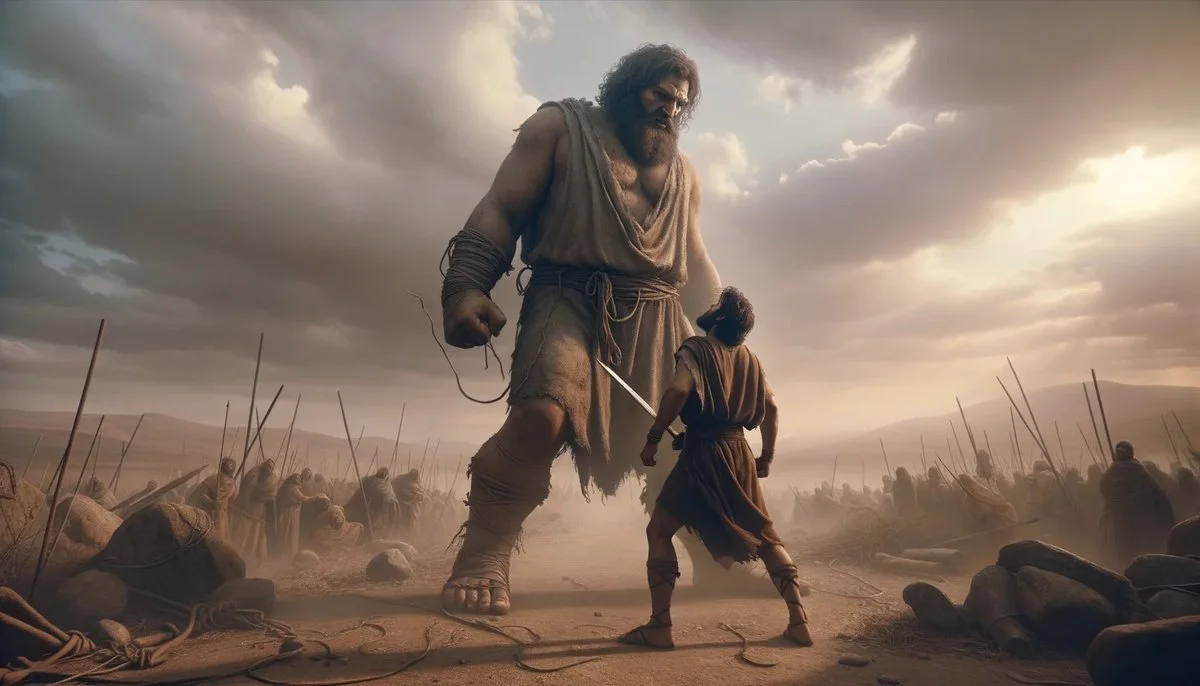
In the annals of biblical history, few narratives capture the imagination like the story of David and Goliath. This account, found in 1 Samuel 17, unfolds in a valley setting where the Philistine army, formidable and defiant, challenges the people of Israel. Among their ranks stands Goliath, a warrior of intimidating stature and strength, described as six cubits and a span tall. He issues a taunt that resonates with fear—a call for single combat to determine the fate of their respective armies.
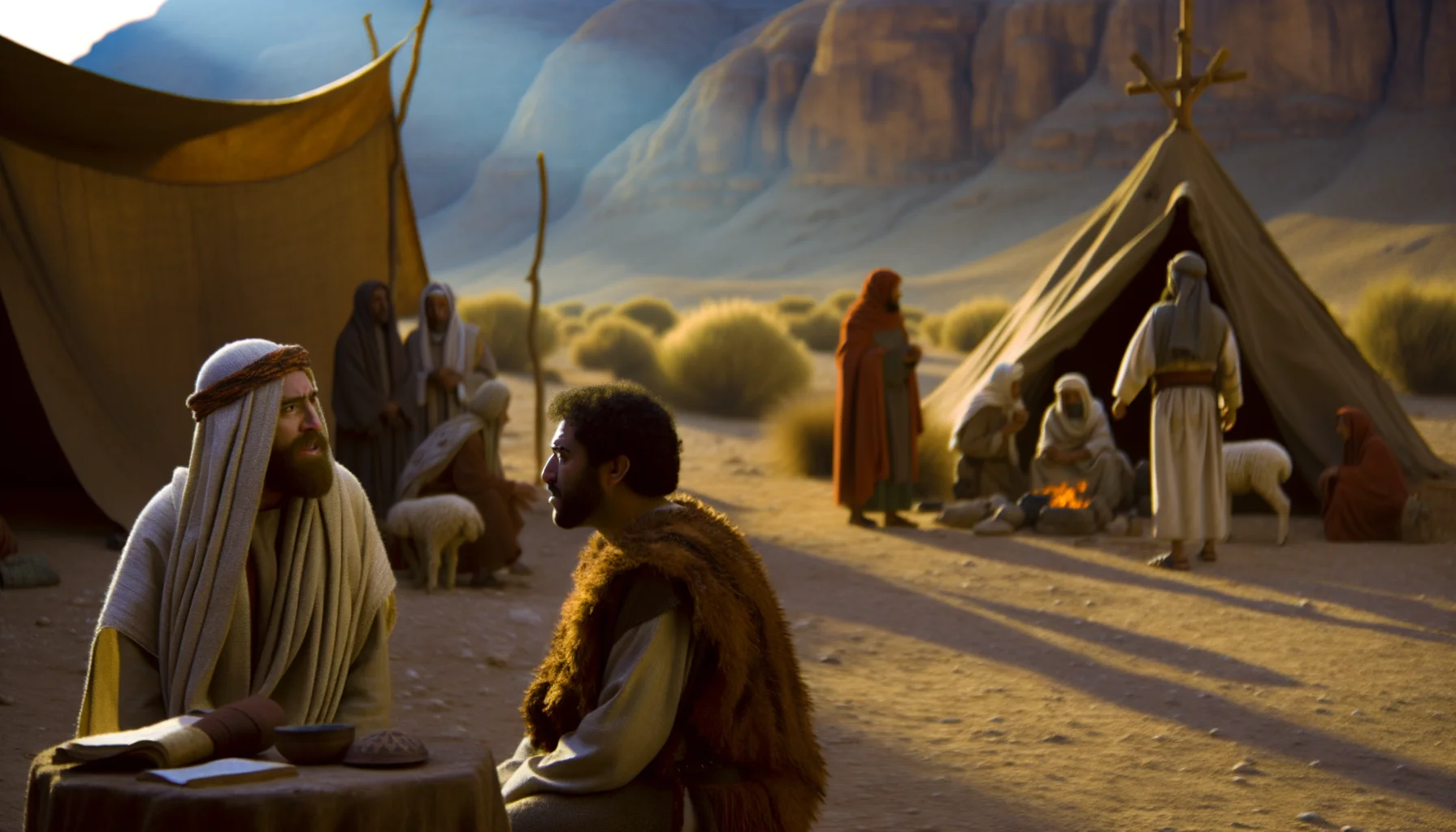
David, the youngest son of Jesse, emerges as an unexpected hero. While his brothers are among the soldiers of Israel, David is tasked with tending sheep. He arrives at the battlefield, not to wield a sword, but to deliver food to his siblings. Yet, it is here that David hears the mocking defiance of Goliath and is stirred to action. The context of this story is one of political tension, divine intervention, and youthful courage.
This narrative is emblematic of faith overcoming insurmountable odds. Set against the seemingly invincible might of Goliath, David’s reliance on God’s strength serves as an eternal testament to divine empowerment. Today, the story of David and Goliath transcends its historical roots, offering profound insights into facing our own modern-day giants. As we delve into this tale, let us uncover its transformative lessons and consider how they speak to us amid contemporary challenges.
Main Scripture Exposition
The heart of this story lies in the confrontation between David and Goliath. In 1 Samuel 17:45-47 (NIV), David speaks words that encapsulate his faith and purpose: "David said to the Philistine, 'You come against me with sword and spear and javelin, but I come against you in the name of the LORD Almighty, the God of the armies of Israel, whom you have defied. This day the LORD will deliver you into my hands, and I’ll strike you down and cut off your head. This very day I will give the carcasses of the Philistine army to the birds and the wild animals, and the whole world will know that there is a God in Israel. All those gathered here will know that it is not by sword or spear that the LORD saves; for the battle is the LORD’s, and he will give all of you into our hands.'
David’s declaration is more than youthful bravado—it is a candid revelation of his intimate trust in God. He recognizes that the conflict is not merely physical but spiritual. Goliath's offense is not just against Israel but against the God of Israel. David’s boldness stems from his conviction that the Lord’s power far exceeds human capability.
When David declines Saul’s armor in favor of his sling and stones, it underscores a thematic refusal to fight with earthly means. Instead, David’s reliance on God becomes his armor and his weapon. Successfully, David defeats Goliath with a single stone, emphasizing that the victory is God’s doing. This encounter teaches that faith, wielded in the face of fear, enables divine triumphs that defy human logic.
Key Themes and Insights
The narrative of David and Goliath highlights several key themes that resonate with believers today. Foremost is the theme of divine empowerment. David’s victory originates not from his own strength but from God’s power. This echoes the Apostle Paul’s declaration in 2 Corinthians 12:9 (NIV), "But he said to me, 'My grace is sufficient for you, for my power is made perfect in weakness.'" David embodies this truth as he stands as a vessel of divine might.
Additionally, the story presents the theme of courage fueled by faith. David’s faith transcends sheer optimism; it is anchored in his relationship with God. His confidence is not in the absence of danger but in the presence of God. For modern believers, this illustrates that courage in the midst of trials is born from a deep trust in God’s sovereignty.
Moreover, David’s encounter with Goliath underscores the idea of identity and purpose. David’s identity as God’s servant defines his actions and decisions. In a culture often trapped in self-reliance and identity crises, this calls Christians to root their identity in Christ. This perspective transforms how we approach life's challenges, fortifying us with a sense of divine-driven purpose.
Lastly, the narrative speaks to the theme of divine vindication. David is not only vindicated before the Philistine army but also before Israel, affirming God’s righteous cause. In a world where righteousness is often challenged, believers are reminded of God’s ultimate vindication and that faithfulness yields divine reward.
Modern Application
Facing our "Goliaths" today may not involve physical giants, but the metaphor is apt for the overwhelming challenges that loom large in our lives. Whether it's illness, financial hardship, personal fears, or social injustices, we mu
Continue Your Bible Study
Explore more lessons and deepen your understanding of scripture
View All Lessons Ask AI a Question