Miriam's Strength and Leadership Lessons in Exodus

Miriam Leadership Lessons from Exodus
The sharp sound of a phone call cuts through the hum of my busy kitchen, where my children’s laughter mingles with the clatter of dishes. I pick up, only to be met with words that turn my world upside down: “I’m sorry, but we’ve had to let you go.” My heart sinks as disbelief floods over me. I look around at the cozy chaos, a reminder of the security I thought I had. The weight of uncertainty presses against my chest, and I can’t help but wonder: How will I provide for my family? The familiar routine of school drop-offs, grocery shopping, and family dinners now feels daunting, like a storm cloud looming over our lives. In this moment, everything feels like it’s falling apart.
It’s not just me. I see it on the news; a mother sobs in front of a foreclosed home, clutching her children close as they face eviction. A friend shares her story of betrayal, her trust shattered by someone she loved. These stories resonate deeply within me, echoing the raw vulnerability of being human. It’s messy and painful, and I feel the weight of collective grief hanging in the air. We are all navigating chaos, whether through job loss, illness, or fracture in relationships. In the depths of these trials, I find myself longing for something greater, a promise that transcends the pain.
Ancient Cries, Timeless Pain
As I grapple with my own struggles, I turn to the pages of Scripture, where the stories of ancient figures resonate with my heart. Job’s life unfolds with unimaginable loss—his children, his wealth, his health—yet his cries to God reveal the depths of pain we all encounter. David, betrayed by his closest friend, pours out his anguish in the Psalms, his emotional vulnerability offering a liturgical prayer for all who feel abandoned. Hannah, the mother of Samuel, wrestles with the ache of barrenness, her fervent prayers an embodiment of hope in a world that can often feel cruel and unyielding.
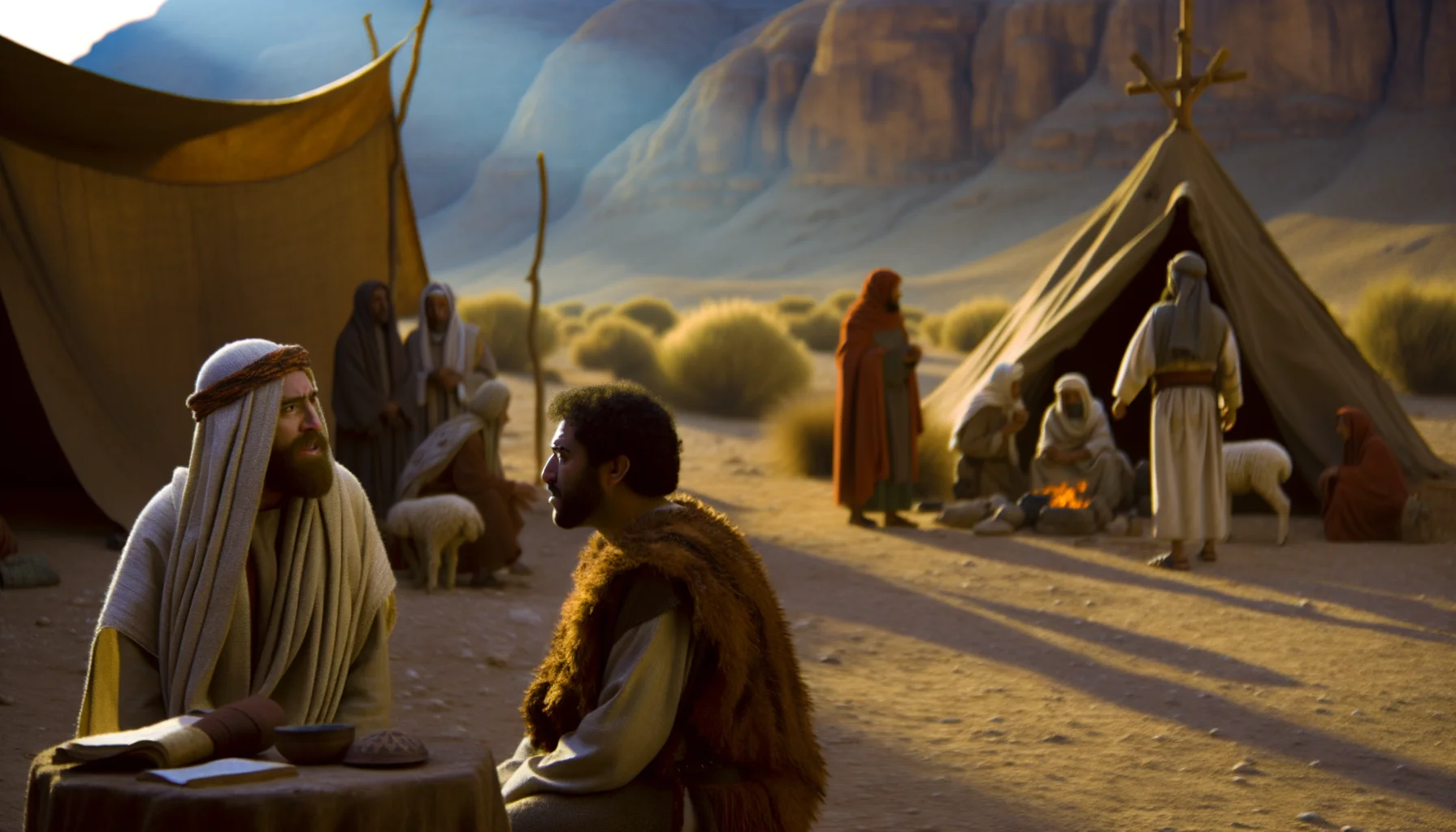
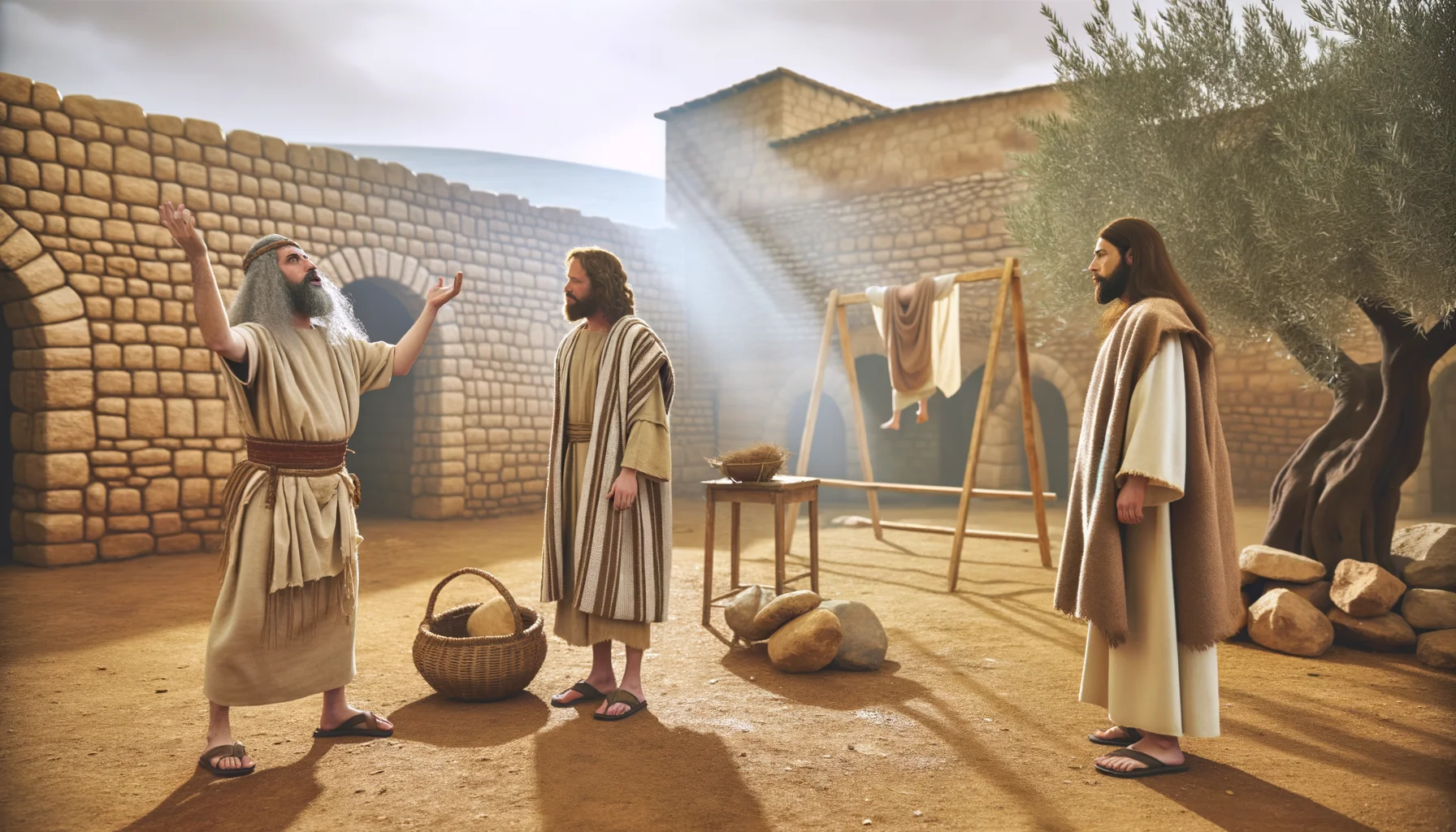
These biblical figures remind me that the emotional terrain of humanity is unchanged. Their pain mirrors my own, and I find solace in their stories. Even Miriam, the sister of Moses, stands as an emblem of resilience in the face of despair. As she watched her brother float down the Nile, Miriam may have felt the weight of uncertainty, yet her courage eventually paved the way for liberation. Her leadership would guide the Israelites through the wilderness, showcasing how God can draw good from chaos.
As I sit with my own crisis, I realize I am not alone; the echoes of ancient cries resonate with the struggles we face today. Each story carries the weight of humanity’s shared burden, reminding us that our pain is not in vain. God hears our cries, and He promises to be near to the brokenhearted (Psalm 34:18, ESV: “The Lord is near to the brokenhearted and saves the crushed in spirit.”)
The Unbreakable Promise
In the midst of our trials, God’s covenant promises shine like a beacon of hope. His promises are not abstract; they are deeply personal and specific to our pain. As I reflect on my situation, I remember the covenant made to Abraham, where God declared, “I will be your God, and you will be my people” (Exodus 6:7, ESV). This promise extends throughout generations, reminding us that we belong to a community bound in covenant love.
Throughout Scripture, God continues to unveil His commitment to His people. His promise to Moses at the burning bush speaks directly to the plight of the oppressed: “I have seen the affliction of my people… and I have come down to deliver them” (Exodus 3:7-8, ESV). In our moments of crisis, God is actively present, working not only to deliver us but to form us into a people steeped in His love and grace.
As I think about the New Testament, I am reminded of how Jesus fulfills the promise of the covenant. He embodies God’s faithfulness and offers a new covenant through His sacrificial love. The Apostle Paul writes in 2 Corinthians 1:20 (ESV), “For all the promises of God find their Yes in him.” Our crises can find resolution through surrendering to this promise. God weaves our stories into the larger narrative of redemption. Miriam’s story foreshadows this fulfillment; her leadership leads her people toward freedom, just as Christ leads us to spiritual liberation.
The Sacred Transformation
Moving from crisis to covenant trust requires a journey of transformation. It’s not always easy—there are days when fear and anxiety threaten to overwhelm me. Yet, I find hope in practical steps that bring me closer to God’s promises. I begin to carve out time for prayer, an essential lifeline that grounds me in His presence. The kitchen table becomes my altar, where I pour out my heart, sharing my fears and frustrations with God. I seek comfort in the Scriptures, meditating on verses that remind me of His faithfulness.
Community becomes a vital support system during this season
Continue Your Bible Study
Explore more lessons and deepen your understanding of scripture
View All Lessons Ask AI a Question