Modern Idols and Lessons from the Golden Calf Story

Navigating Modern Idols Lessons from the Golden Calf
Identifying the Challenge
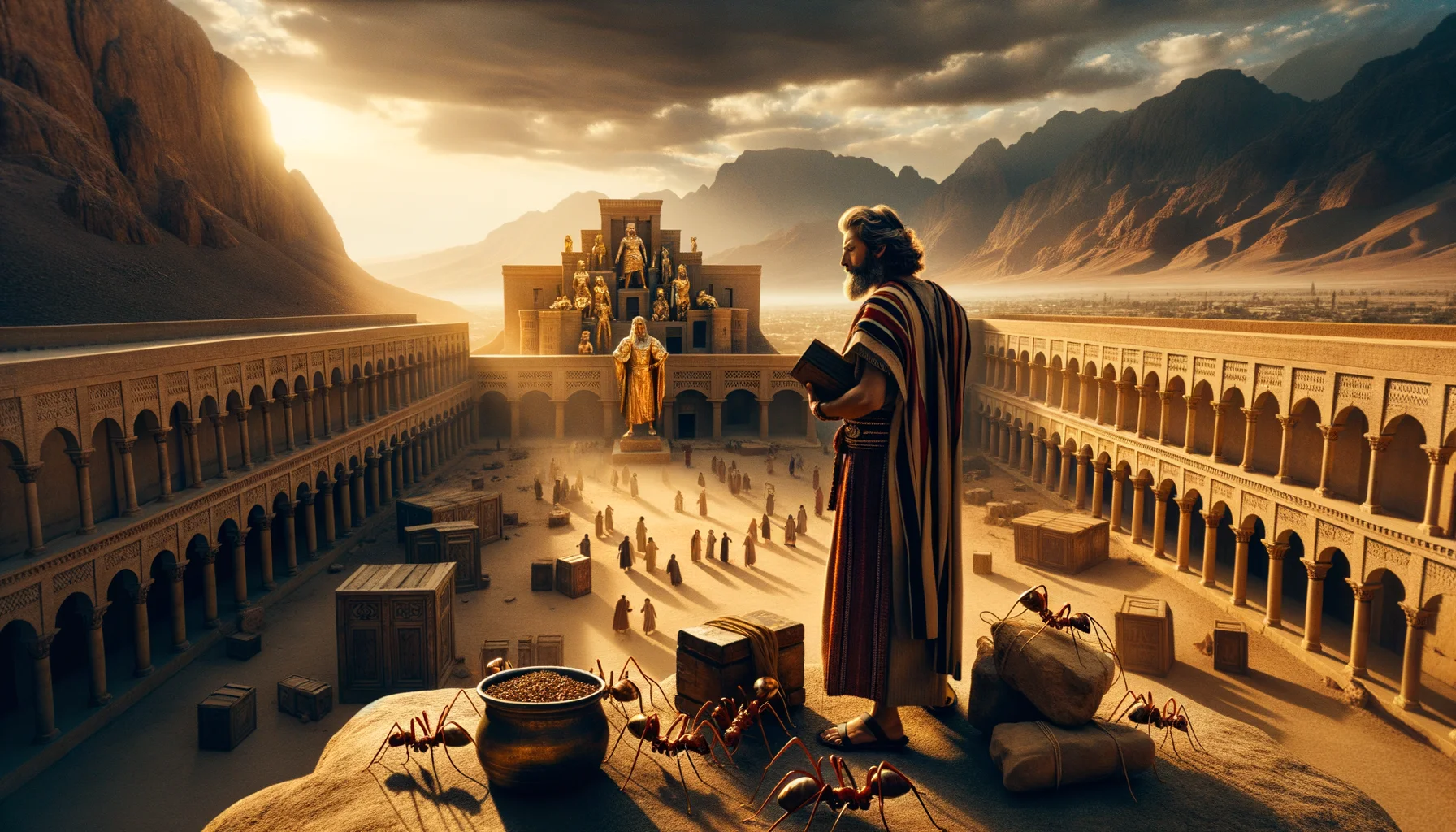
In our contemporary world, the concept of idolatry might seem antiquated, reserved for times long past when people bowed before statues of gold and stone. However, the challenge of idolatry is ever-present, merely clothed in different garb. Modern idols may not resemble the Golden Calf shaped by the Israelites in Exodus 32, yet their impact can be just as insidious and spiritually debilitating.
Today's idols are often subtle and seductive. They frequently manifest in the form of materialism, technology, fame, and even relationships. Our culture relentlessly encourages us to place ultimate value on wealth, status, and personal success. The danger lies not in these things themselves, but in their ability to captivate our hearts and draw us away from wholehearted devotion to God.
Just as the Israelites grew impatient waiting for Moses to return from Mount Sinai, we too can become impatient or dissatisfied with God's timing and provision. In those moments of vulnerability, we may be tempted to forge idols that promise immediate satisfaction or reassurance. Instead of trusting in God's sovereign care, we craft our own solutions, displacing God from the throne of our hearts.
The challenge we face is recognizing these idols and acknowledging the times when we allow our hearts to bow before them. This requires introspection and honesty about what captures our affections and commands our loyalties. The story of the Golden Calf serves as a vivid reminder that idolatry is not merely a relic of the past but a persistent temptation that requires discernment and vigilance.
Biblical Perspective
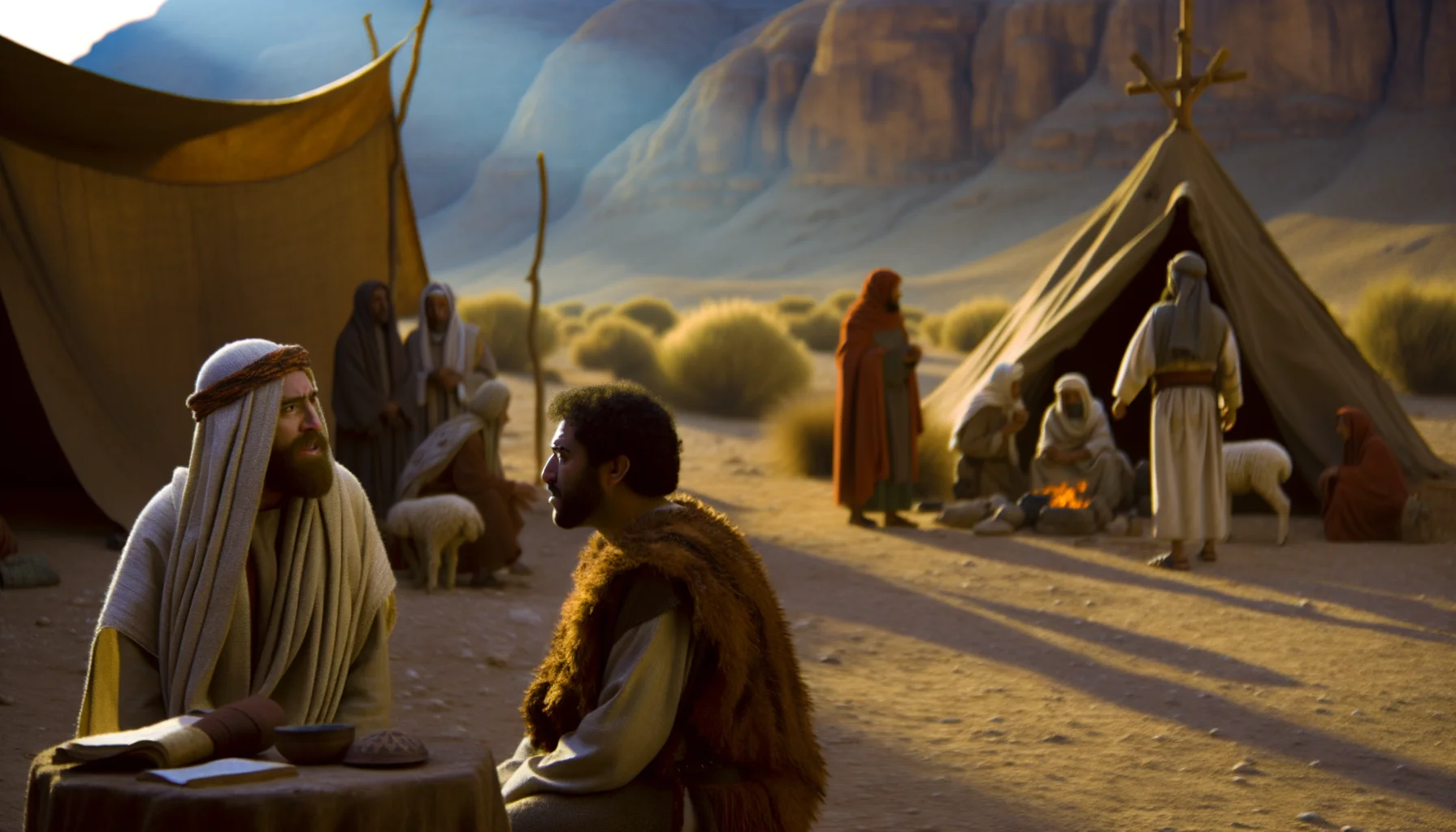
The account of the Golden Calf in Exodus 32 is one of the most striking biblical narratives that speaks to the timeless issue of idolatry. As Moses communed with God on Mount Sinai, the Israelites grew restless and demanded a tangible representation of their deity. In their impatience, they convinced Aaron to fashion a calf from their gold jewelry, proclaiming, “These are your gods, O Israel, who brought you up out of the land of Egypt” (Exodus 32:4, ESV).
This act was a direct violation of the first two commandments: “You shall have no other gods before me” and “You shall not make for yourself a carved image” (Exodus 20:3-4, ESV). The Israelites' actions demonstrated a profound loss of trust and a deep-seated desire for control over their spiritual experience. This incident reveals the human tendency to revert to false securities when faith wavers.
God's response to the Golden Calf was one of righteous anger, indicating the seriousness with which He views idolatry. The apostle Paul later warns the Corinthian church against similar tendencies, reminding them that what happened to the Israelites was written down as a warning for us (1 Corinthians 10:6-7). The narrative underscores that idolatry, at its core, denies God's rightful place in our lives.
Throughout Scripture, God consistently calls His people to exclusive worship and fidelity. The prophets repeatedly challenged Israel to forsake idols and return to the one true God. This recurring theme highlights that idolatry is not just about misplaced worship but fundamentally about the erosion of our relationship with God. As His people, we are to reflect His glory and remain steadfast in our allegiance to Him alone.
God's Solution
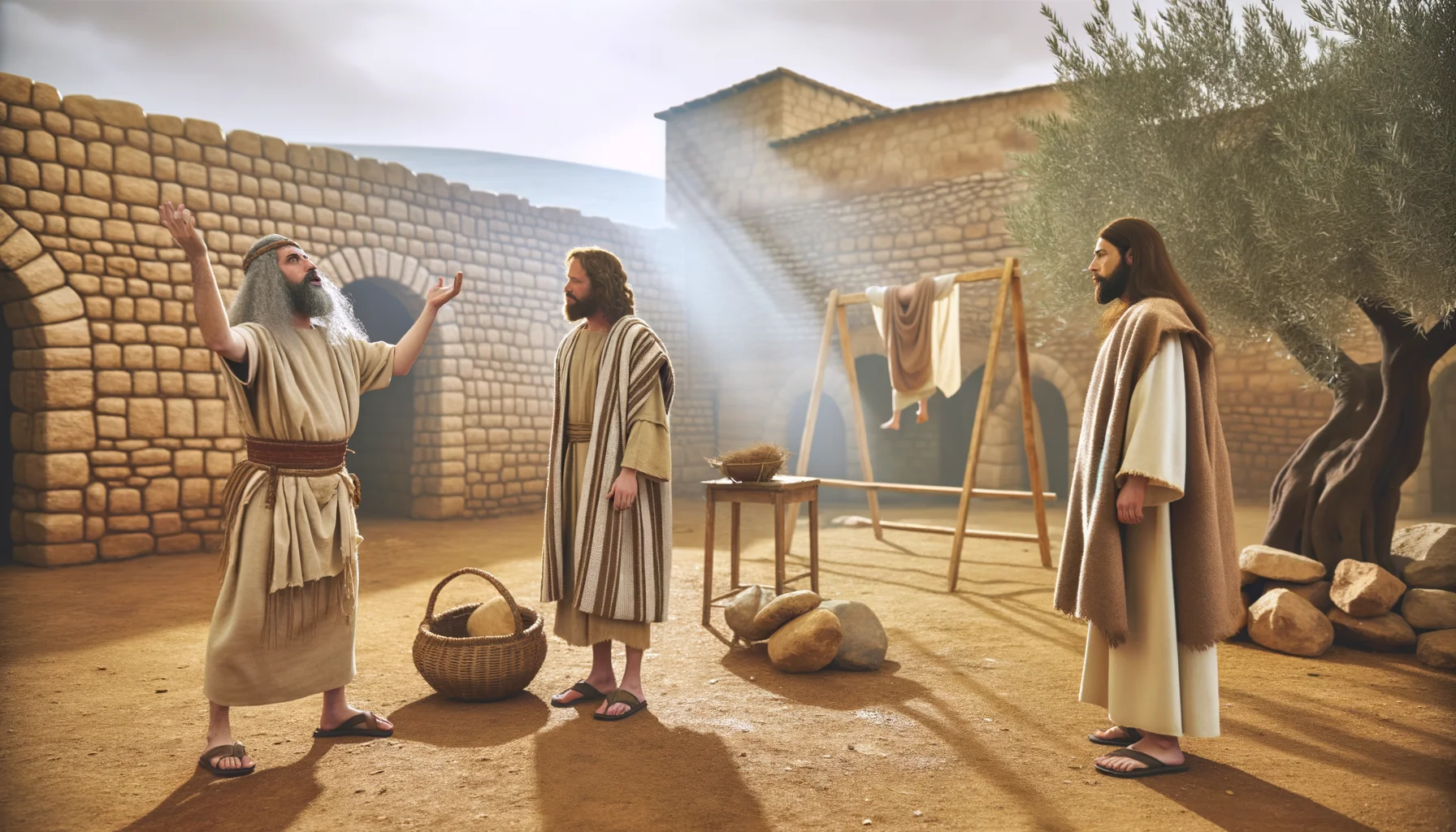
God’s solution to idolatry is multifaceted, involving both divine intervention and personal responsibility. When Moses descended from the mountain and witnessed the idolatry of the people, he acted decisively. He destroyed the calf, ground it to powder, and made the Israelites drink it, demonstrating the futility and bitterness of their sin (Exodus 32:20).
God’s command was clear: idolatry must be eradicated completely, leaving no remnants that could tempt or entangle His people again. For us today, this means identifying and dismantling anything that stands between us and wholehearted devotion to God.
Central to God’s solution is the transformative power of grace and redemption. Through Jesus Christ, we are offered a new covenant relationship with God. Colossians 3:5 calls us to “put to death therefore what is earthly in you: sexual immorality, impurity, passion, evil desire, and covetousness, which is idolatry” (ESV). Christ empowers us to turn away from idols and live in the freedom of God’s truth.
Moreover, God invites us into a continual process of renewal and sanctification. Romans 12:2 urges us to “not be conformed to this world, but be transformed by the renewal of your mind, that by testing you may discern what is the will of God, what is good and acceptable and perfect” (ESV). Living in alignment with God’s will requires an ongoing commitment to evaluate and realign our priorities.
Ultimately, God desires to fill our hearts with Hi
Continue Your Bible Study
Explore more lessons and deepen your understanding of scripture
View All Lessons Ask AI a Question