Understanding Wisdom in Financial Stewardship from Proverbs

Wisdom in Financial Stewardship from Proverbs
Hunger and longing often manifest in our lives in unexpected ways. Picture this: you walk into your kitchen, and the table is empty, save for a single plate and a glass. You sit down, staring at the void, the absence of connection palpable. It’s not just food that nourishes us; we crave relationship, belonging, and understanding. The echo of forks clinking in an empty room creates an isolation that might feel familiar. Isn’t it wild how we can be surrounded by technology and yet feel utterly alone? With remote work, video calls, and endless scrolling through social media, the hunger for connection can intensify. We find ourselves spiritually hungry and yearning for more.
The Empty Chair
Your phone buzzes with notifications, yet the loneliness lingers. Think of those times spent eating alone, scrolling through endless feeds while holding a cold sandwich. You take a bite, but it feels more like a chore than a feast. There’s a void that no amount of likes or retweets can fill. What about when you’re excluded from gatherings—whether it’s a game night or a holiday dinner? That empty chair at the table may as well be a gaping wound. Spiritual hunger mirrors this experience. Like the Israelites wandering in the desert, we often seek sustenance in the wrong places, yearning for that deep, fulfilling connection with each other and with God.
Jesus understood this human condition intimately. His ministry was a stark reminder of the hunger we face. He sought out the lonely, the marginalized, and the sinners—all those who found themselves without a seat at life’s table. His radical table fellowship challenged societal norms, flipping the script on exclusion. In that context, our hunger for connection drives our desire for financial wisdom. Proverbs reminds us that wise stewardship isn’t merely about accumulating wealth; it's about fostering relationships, sharing resources, and building community.
The Scandalous Dinner Guest
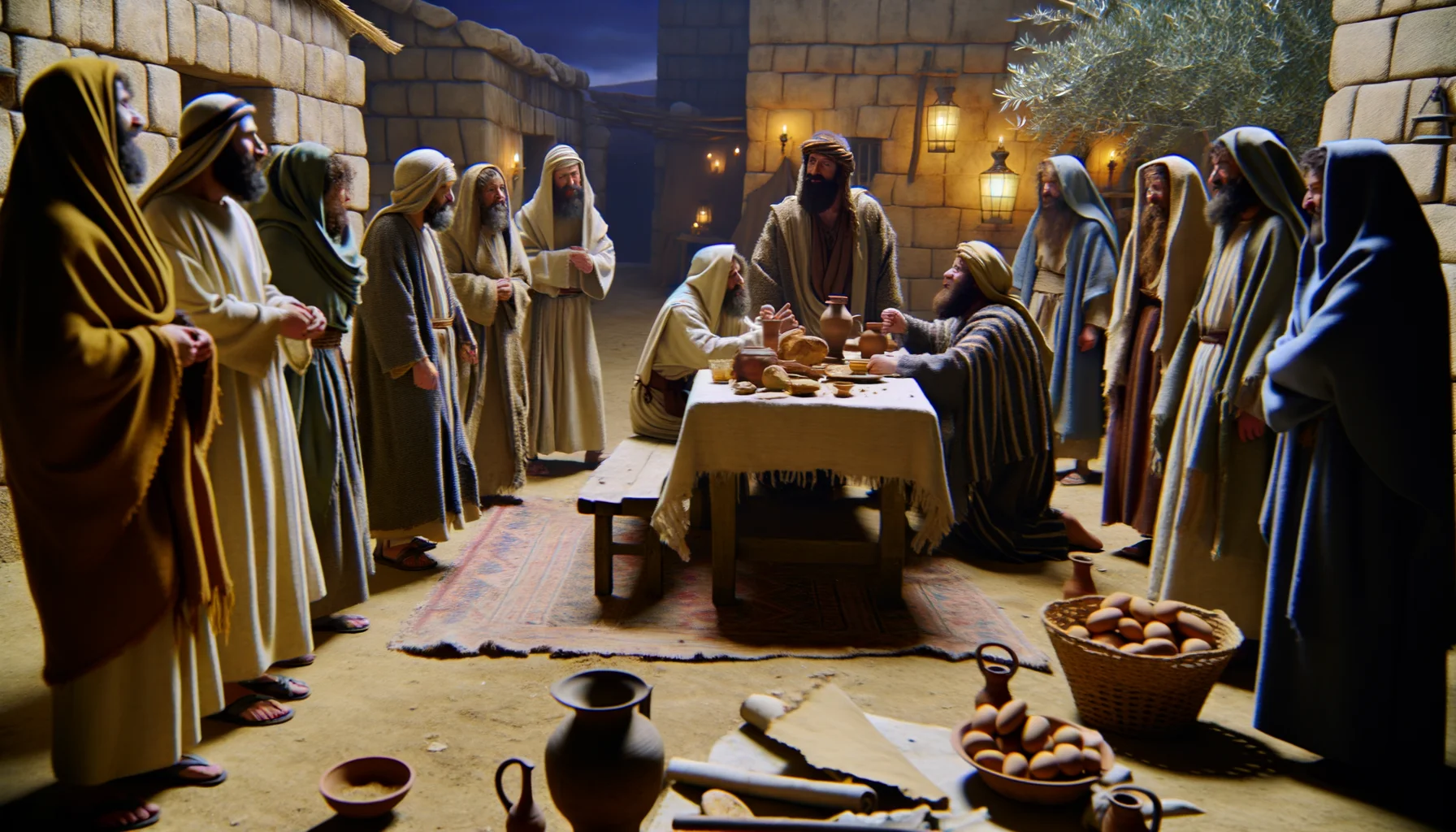
Pull up a chair: let’s talk about Jesus’s table ministry. Picture this: Jesus, surrounded by a motley crew of fishermen, tax collectors, and the marginalized. The Last Supper, an epic scene, where bread is broken, and wine flows—a symbol of radical inclusion. What was so scandalous? Jesus didn’t care about the reputation of those at His table. He dined with sinners, expanded the definition of who belongs, and turned social norms upside down. The feeding of the multitudes? That wasn’t just a miracle; it was a statement about God’s provision and the reality that everyone can be a part of the feast.
His actions echoed wisdom found in Proverbs, where the essence of stewardship is about using resources for the benefit of others. Remember Proverbs 11:25? “A generous person will prosper; whoever refreshes others will be refreshed.” It’s a financial algorithm that works—give generously, and you’ll find yourself enriched. When Jesus shared meals with those on the fringes, he was demonstrating the very heart of wisdom in financial stewardship—using resources to build bridges, not walls. The dinner table became a place of acceptance, teaching, and renewal.
Let’s not forget the wedding at Cana. Jesus turned water into wine—a miracle that wasn’t just a party trick but a foreshadowing of the Kingdom of God. That’s the ultimate feast we’re invited into. Every meal He shared was a down payment on the banquet to come, showcasing how financial stewardship intertwines with the ethos of inclusion. Think of it like this app: your financial decisions should optimize for community, not just personal gain. Jesus’s approach to stewardship was a powerful algorithm for life, creating an interface for faith and practice.
Theology of the Table
Pass the bread: let’s dive into a rich theology of the table. Communion isn’t merely a ritual; it’s a feast that proclaims our belonging in the Kingdom. Each time we break bread, we recall the eschatological banquet where all are welcome. Imagine the celebration—tables adorned with the bounty of the land, laughter echoing, and stories shared. It’s a reminder of God’s intent for humanity to commune with Him and with each other.
Communion theology captures this essence beautifully. Jesus took the bread and said, “This is my body, given for you.” These words echo wisdom found in Proverbs about generosity. Every bite shared is a declaration of our interconnectedness. The imagery of feasting in Scripture conveys a promise—a glimpse into divine abundance. The eschatological banquet promises a time when all will gather, united in purpose and joy. It’s a future hope that fuels our present decisions.
As we consider the theology of the table, think about the implications for financial stewardship. What we do with our resources reflects our understanding of God’s provision and our responsibility towards others. When we allocate funds for community p
Continue Your Bible Study
Explore more lessons and deepen your understanding of scripture
View All Lessons Ask AI a Question