What the Wilderness Census Reveals About Gods Care

When God Numbered a Wandering People
The Righteous Rage
Oh, dear one, I grieve the way we have made peace with counting people for all the wrong reasons. We count followers, donors, attendance, test scores, sales goals, political blocs, and the square footage of our buildings, yet we fail to count tears, burdens, lonely widows, anxious children, and the weary man sitting in traffic with both hands tight on the steering wheel because the cardiologist called that morning. We live in a culture that measures worth with spreadsheets, dashboards, and glowing phone screens, and too often the church has borrowed the world’s ruler and called it wisdom. The elephant in the room stands large and shameless: we use numbers to control, impress, exclude, and rank, then we drape that habit in religious language.
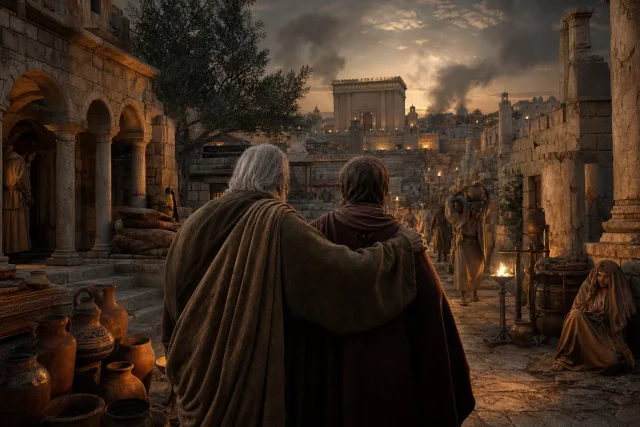
The book of Numbers confronts this idolatry in a way that still stings. Israel stood in the wilderness, not in a palace, not in a season of polished strength, but in dust and dependence. Yet many of us read the census and think only of military capacity or institutional efficiency. We miss the holy ache beneath it. We have built systems that count the polished and overlook the fragile. In grocery store aisles, I have watched a cashier with tired eyes move through a ten-hour shift while impatient customers glance at the self-checkout clock. In neighborhood meetings, I have seen single mothers ignored while confident men fill the air with opinions. In churches, I have watched budget conversations move briskly while prayer for the sick gets squeezed into three hurried minutes at the end.
Systemic injustice always begins with distorted counting. Some neighborhoods get counted only when taxes are due or elections are near. Some children get counted only when they fail a benchmark. Some elderly saints get counted only when they stop volunteering. Even our private fears bend toward false arithmetic. We count bills on the kitchen table, count sleepless nights after a hard diagnosis, count the days since a son returned a phone call, and we begin to believe that what can be totaled must also define us. Beloved, that is cultural idolatry with a respectable haircut. It is church compromise in sensible shoes. It is the old serpent whispering that value comes from measurable usefulness rather than from the steadfast gaze of a faithful God.
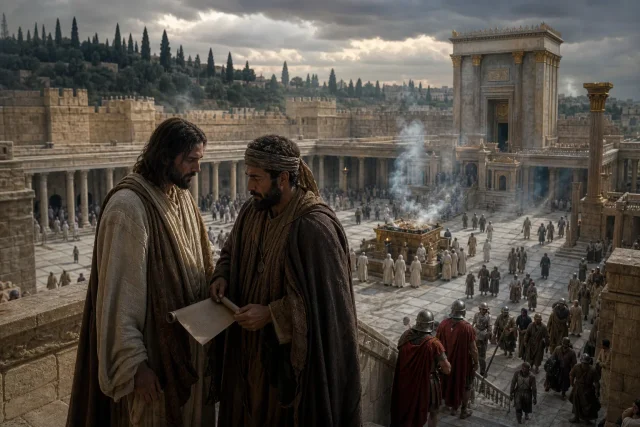
And when leaders count without reverence, people become inventory. That is why this matter is not small. When counting serves fear, pride, or control, it wounds souls. When counting serves love, stewardship, and covenant remembrance, it becomes holy. The question before us is sharp as desert wind: when God numbers His people in the wilderness, what kind of God is He revealing, and what kind of people must we become?
But God!
God's Alternative Reality
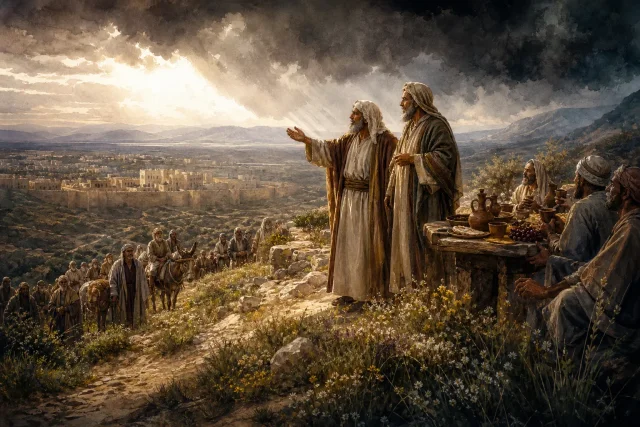
In my sixty years of walking with Jesus, I have come to cherish the tender strangeness of the Lord’s ways. He does not count as empire counts. He numbers a people in order to place them, order them, protect them, and remind them that not one tribe drifts outside His abiding notice. Numbers 1:2 says, “Take ye the sum of all the congregation of the children of Israel, after their families, by the house of their fathers, with the number of their names, every male by their polls.” Do you hear the tenderness tucked inside that command? Not merely bodies. Names. Families. Households. Memory. Belonging.
God’s alternative reality is not a cold census bureau in the sky. It is a covenant camp arranged around holy presence. The tabernacle stood at the center, and every tribe took its place around that dwelling. Their number did not create their worth; His presence named their worth. This is where biblical faith parts company with cultural optimism and religious certainty. Cultural optimism says, “The numbers will turn around.” Religious certainty says, “Our system is strong enough.” Biblical faith says, “The Lord is in the midst of us, and His presence orders our life.” That is an altogether different song, more akin to the old hymn, “Great is Thy faithfulness,” than to any boastful report.
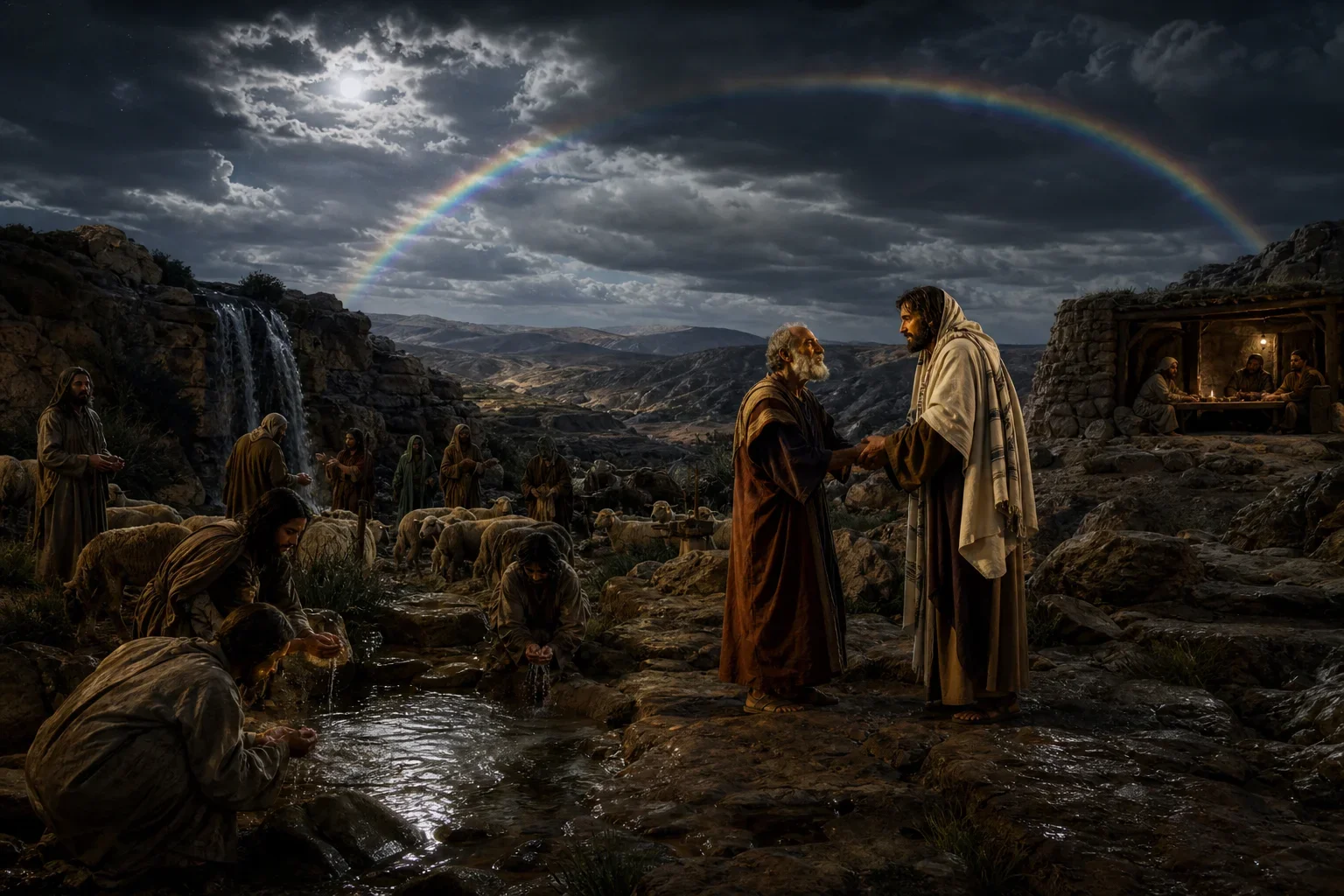
Then the second census arrives after loss, failure, graves, rebellion, and long years of wilderness sorrow. Numbers 26:2 says, “Take the sum of all the congregation of the children of Israel, from twenty years old and upward, throughout their fathers' house, all that are able to go to war in Israel.” The Lord does not turn away from a chastened people. Through every season, He remains steadfast. He counts again, not because they impressed Him, but because His purposes had not withered in the desert sun. That speaks to every dear one sitting under financial stress, every wife studying a stack of medical bills at a dining room table under a yellow pendant light, every grandfather wondering whether his fractured family ca
Continue Your Bible Study
Explore more lessons and deepen your understanding of scripture
View All Lessons Ask AI a Question